
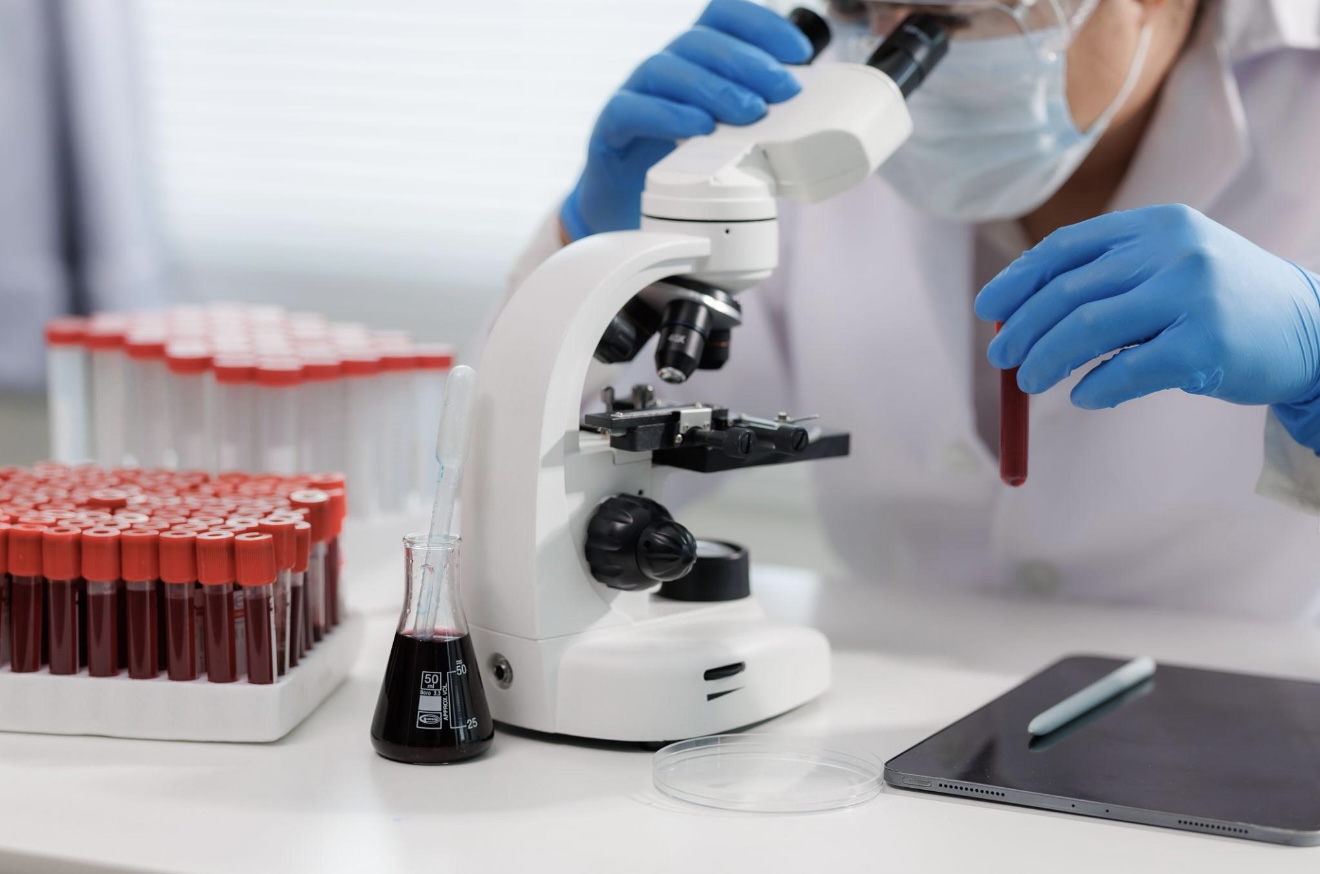
She started in hospital wards, moved to a COVID-19 testing lab and now does independent research in New York. Her focus throughout: getting the details right.
Before the results come back, before a doctor sits down with a patient, someone has to collect the sample, run the test and record the answer correctly. For Shakhnoza Khamidova, that unseen stretch of medicine is where much of the work happens.
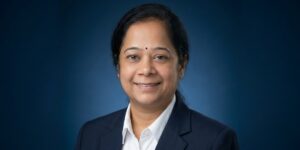
Khamidova, a medical graduate and independent researcher, has spent the past several years moving through the parts of health care that patients rarely see. She has assisted physicians in hospital departments in Uzbekistan and Moscow, worked in a laboratory during the height of COVID-19 testing, and is now building a research career in New York.
“It’s a path that doesn’t fit neatly into a single job title,” and that, by her own account, has been the point. Each stage has shown her a different side of the same question: how much a patient’s care depends on people doing small things correctly.
Learning on the job
Khamidova entered Tashkent Pediatric Medical Institute in 2016 to study general medicine. She completed the six-year program in 2022 and qualified as a general practitioner.
The classroom was only part of her education. In Uzbekistan and in Moscow, she worked alongside physicians in gynecology, surgery, and ear, nose, and throat care. She helped with patient care, kept medical records, followed safety procedures and protected patient confidentiality.
Such tasks seldom draw notice. They are, however, the scaffolding of any functioning clinic, and they gave her an early understanding of how much patients rely on the discipline of the people around them.
The pandemic lab
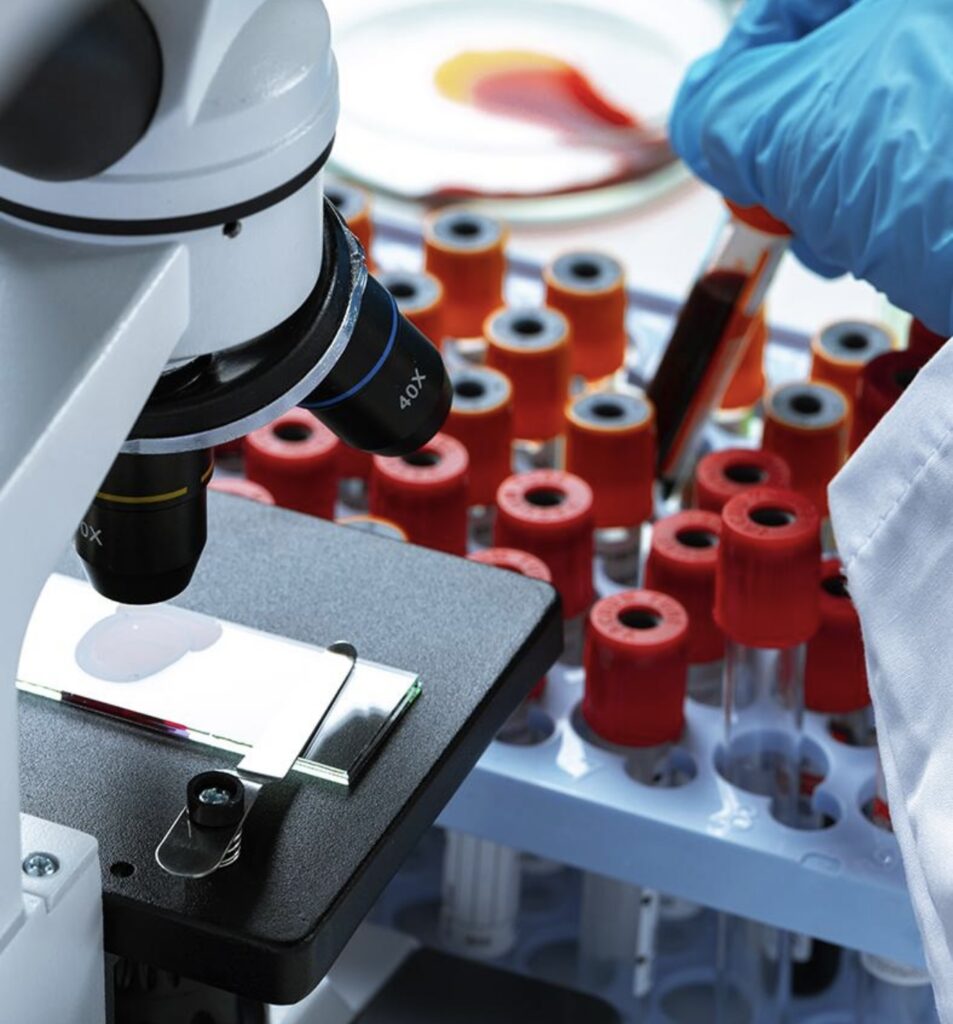
When the coronavirus pandemic made testing an urgent public need, Khamidova joined Korea No.1 / HANA ITC Laboratory in Tashkent. She helped collect samples, including from patients being tested for COVID-19, supported the lab’s PCR testing process, handled results and maintained its computer-based records.
The laboratory served an international clientele, among them travelers who needed test results to cross borders. Officials in other countries had to accept those results, which meant there was little margin for error.
The job reshaped how she thought about her profession. She had seen care from the bedside. At the laboratory, she saw how often the most consequential moment in a patient’s treatment happens out of the patient’s sight.
Turning to research
Today, Khamidova works independently in New York, concentrating on laboratory medicine and molecular diagnostics. She is preparing two research reviews, each of which compiles the findings of many earlier studies to assess what the evidence supports. Both are aimed at helping doctors identify serious illness earlier and avoid unnecessary procedures.
Neither has been published, and Khamidova has been plain about that. She says she will report their status only when they are formally submitted, accepted or published. In a field where early enthusiasm can outrun the data, the restraint is a reasonable signal of how she approaches her work.
Finding a community
In 2026, she became a professional member of the Association for Diagnostics & Laboratory Medicine, a leading organization in her field. She joined two of its divisions, Cancer Diagnostics & Monitoring and Genetics & Genomics.
She speaks Uzbek, Russian, English and Tajik, a practical asset in a discipline where research and data routinely cross national borders.
What comes next
Khamidova is early in her research career, and the work that could define it is still ahead. But the outlines are visible: a medical graduate’s respect for patients, a laboratory worker’s attention to accuracy and a researcher’s patience with evidence.



Comments are closed.